June was par for the course, because though I began with a dud, each book was remarkably better than the one that preceded it, which you’ll read more of below.
Read more: Reading Roundup: June 2025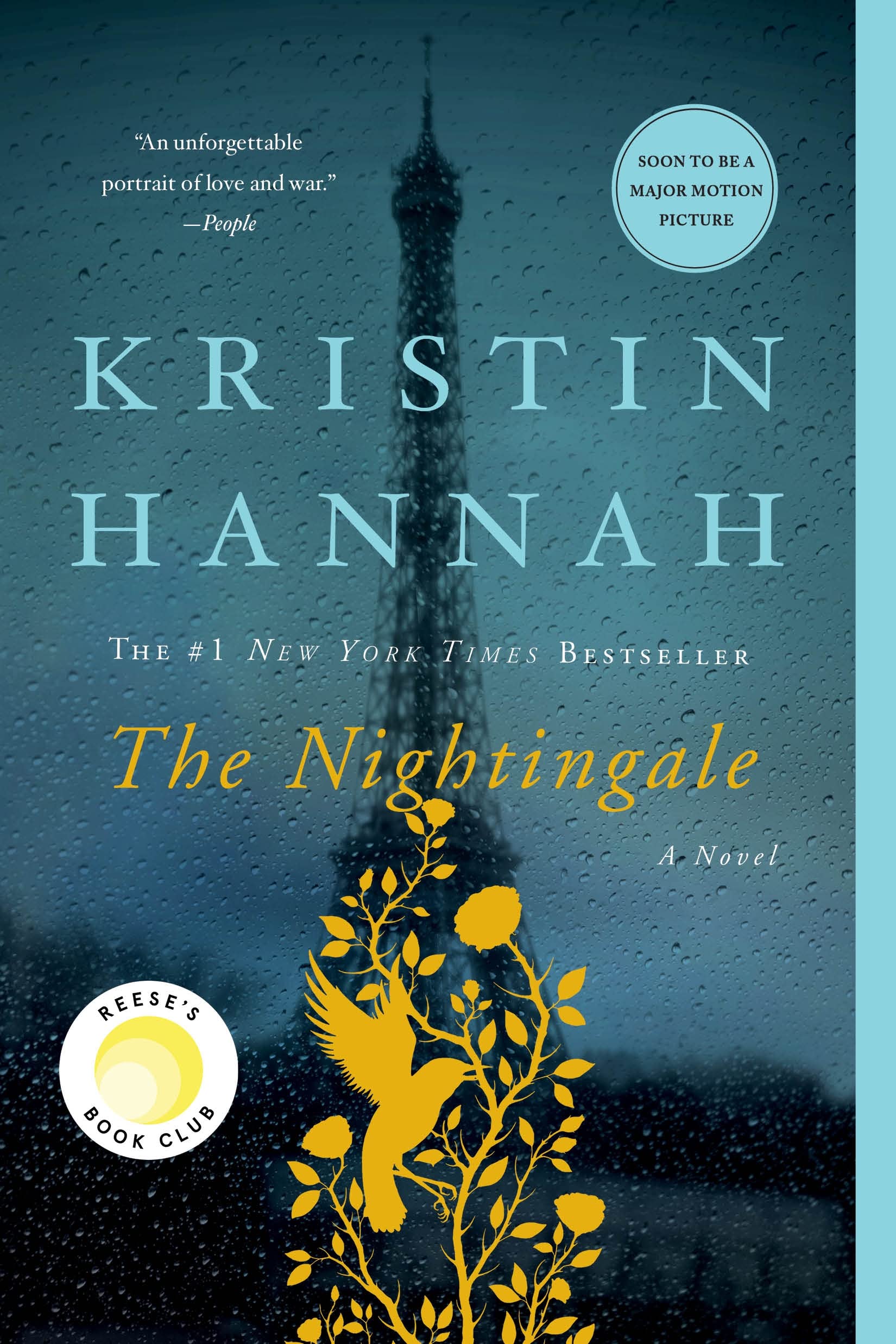
The Nightingale by Kristin Hannah (2015)
I don’t think we need to rehash my thoughts of Kristin Hannah’s work. It’d be a waste of all our time. This one is supposed to be her good one, and sure, it’s better than the last one I read, but in the end, it’s all just bad.
Credit to Hannah, though, for finding her audience. It’s just not me. There are moments in this book (like pilots falling out the sky) that could have been their own novel. Moments that are richer and more amenable to philosophy. That’s not who Hannah is, however.
If you read the premise and are intrigued, I recommend reading All the Light We Cannot See by Anthony Doerr instead. Same Nazi-occupied France stuff, but without the forced melodrama between sisters.
Stop Me If You’ve Heard This One by Kristen Arnett (2025)
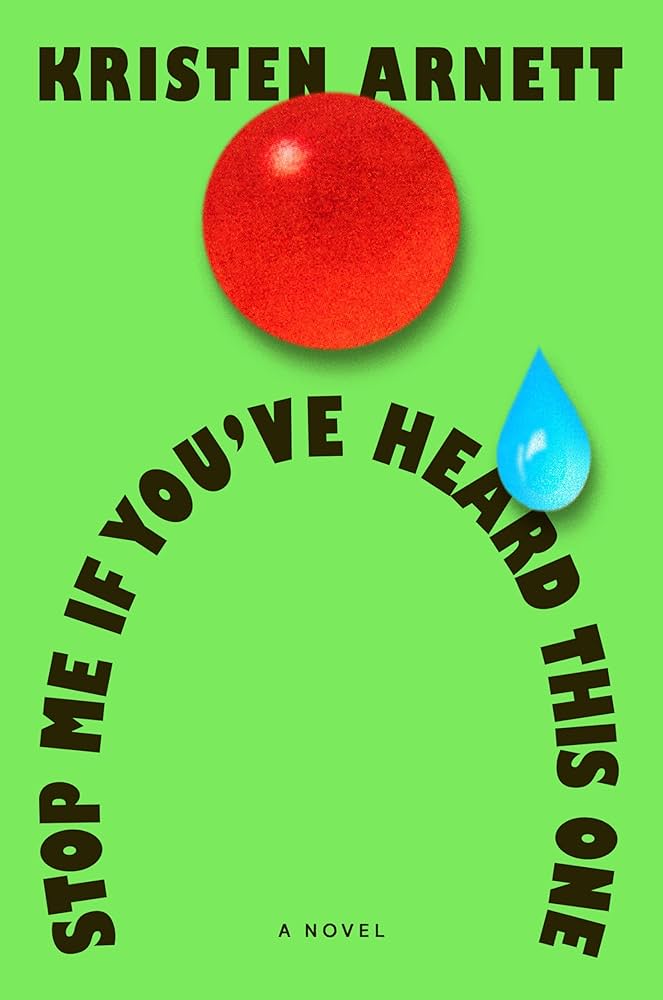
The history here is this: Kristen Arnett’s been on my radar for a decade now. We published her work early on when Bridge Eight was just getting started, and I’ve never had a bad time reading her, so there’s something there I’m always going to go for.
When Felt in the Jaw was published by Split Lip, I was a huge fan. The swampy, almost hellish edge we expect from Florida writing was all over that one. Could be the short stories were simply punchier, but that one had the most bite. Then Mostly Dead Things came out, and I really enjoyed it, but thought Felt in the Jaw was better. Then With Teeth came out, and I liked it fine, but thought Mostly Dead Things was better. Now, we’re here, and I might like this one better than With Teeth, but I might also not.
I adore Kristen Arnett’s instinct for character. Cherry/Bunko is a wonderful subject for a novel and setting her against the backdrop of Central Florida made for good storytelling. While the book isn’t really funny, the concept is, which makes for an easy read. And maybe that’s where this all comes apart for me. I wish she wasn’t such an easy read.
The writing on the page falls short, particularly when two characters are in the room together. I don’t know if it’s the things they say to each other or the tone of our narrator, but I found myself wanting fewer conversations in these scenes, less melodrama and more … literary moments.
Essentially, I think I wanted more reflection and less narrating at the reader.
There’s also the obvious parallels between a clown life and a queer life, which should’ve been left to be interpreted by the reader, something we could’ve discovered on our own / were surprised by, but instead it’s all explicitly told to us, making the whole thing come off heavy-handed and unsatisfying.
For what it’s worth, I’m never going to not read Kristen Arnett. She’s earned it. She knows how to be as interesting as possible. I just hope the next one can reach back to those Felt in the Jaw days.
Sinkhole, and Other Inexplicable Voids by Leyna Krow (2025)
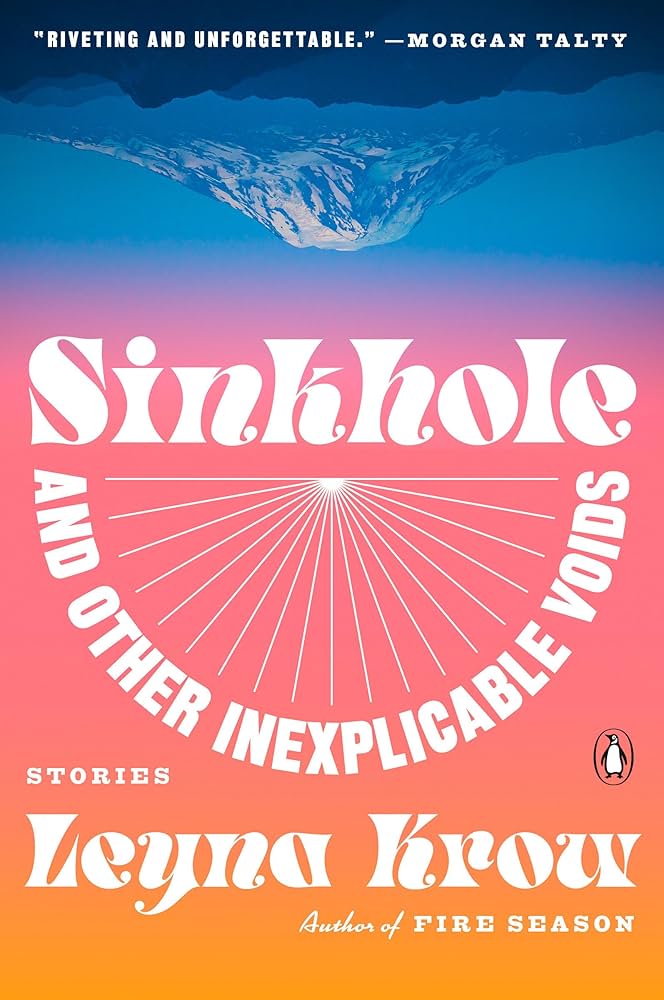
Ironically enough, I picked this book up from the library because 1) it had “Sinkhole” in the title and 2) because Kristen Arnett blurbed it.
I’d never heard of Leyna Krow prior to this, but safe to say, this was a stellar introduction. Leyna Krow places her stories in the Pacific Northwest, but she writes in the tradition of magically real Florida writers. Think Shane Hinton, C.H. Hooks, Karen Russell, me, of course, and yes, even early Kristen Arnett.
This was close to being a fairly perfect collection of stories for me, though there were a couple of clunkers in the middle—the stories about the octopus and robbing the banks—and it brings up a question writers and editors must consider regularly: is it worth cutting out the imperfect/not great stories from a collection if it means shortening the book quite a bit?
I think the answer is an obvious yes, but I imagine there are economics to consider, right? Shorter book doesn’t sell as well? Maybe? Hell if I know.
But don’t let that distract you from the fun I had with Leyna’s writing. Her curiosities and inventions are delightful, and the recurring characters that link the stories don’t come off as a gimmick. It all satisfies and enriches the text as you go. Leyna had a novel come out a few years ago that will certainly make it to one of these monthly roundups by the end of the year.
Bubblegum by Adam Levin (2020)
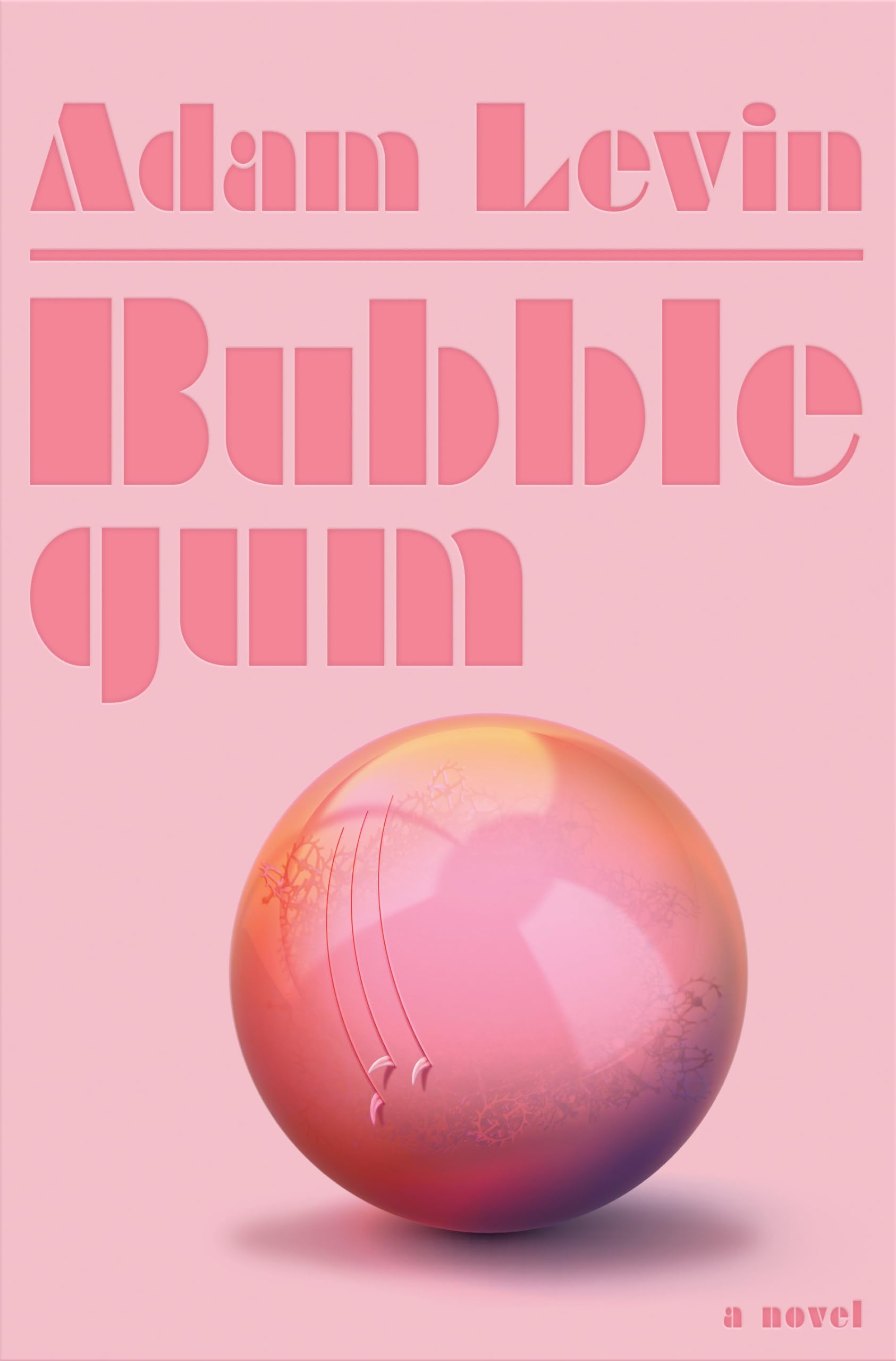
I’m cheating a little bit here. Bubblegum actually took me into the first week of July, but I didn’t want the above three to be representative of June. Not when I finished the month reading something good enough to make me hate myself.
I wasn’t doing these roundups when I read The Instructions late last year, but those who know me personally will remember the 1,000-page, dictionary-sized book I was hauling around for a few weeks.
The Instructions was incredible. Every now and then I still think SLOKUM DIES FRIDAY while running, or drinking, or eating, or writing. Because of how good it was, I’d been apprehensive about reading more of Adam Levin’s work. I had this doubt he could reach those heights. But he had a story in The New Yorker recently, and because I liked it, I decided to pull the trigger on another book of his.
When Bubblegum arrived in the mail (an eBay purchase that turned out to be a copy that once belonged to the Denver Public Library), I hadn’t expected it to be another behemoth.
But 767 pages later, I think Bubblegum might be better than The Instructions.
For those who haven’t read Levin, tread lightly. I’m of the opinion he’s one of our greatest living writers (including Karen Russell and myself), and he’s making a strong case for being my new favorite. But that doesn’t mean he’s for everyone. He’s a maximalist, for effect, and though it runs contrary to my own style, I found myself moved by the way Levin leans into that maximalism. Characters have a habit of monologuing at our protagonist, Belt Magnet, and those monologues can go on half a dozen pages at a time. But there’s no skipping past them. They are necessary. They are the difference between baking soda and baking powder.
Bubblegum is a story of human nature, duh, but specifically one of our impulse to destroy what we deem precious. That’s vague, sure, but if I get into the details (of Curios/Botimals, cuteness, art projects, inans, and the like), I wouldn’t be arguing for what makes this book great. I’d just be listing all the stuff inside.
I’ll say this, and hopefully Levin and his following don’t find it offensive, but for me, I find reading his work to be much like watching a Wes Anderson film. There’s a love and intention for language, particularly within dialogue, that is both funny and functional. There’s a pleasantly stubborn adherence to style. There’s a metafictional structure (movie about a play vs. memoir that is actually a novel) that feels both postmodern and inventive. When you read Adam Levin, there’s no mistaking it for anyone else.
I mean it endearingly, too. I love a Wes Anderson project. When I watch one, I actively consider both the construction of the movie and the emotional heft of the story. And while Levin feels more punk to me than say, The Grand Budapest Hotel, he operates with a surprising bit of sincerity that delivers a sucker punch while he’s fucking around on the page.
It won’t be long before I read Mount Chicago. Next month, perhaps. Until then, I’ll do my best not to overload.

