Reading Roundup: April 2025
My reading habits have become so compulsive, I’ve started to consume books somewhat rapidly/rabidly, ignoring proper digestion etiquette and simply moving onto the next course before I can get the gas out. The solution to this seems easy enough, write down my thoughts before they fade into the ether of my subconscious. Who’s to say if it will work. Anyway, welcome to my monthly Reading Roundup.
Read more: Reading Roundup – April 2025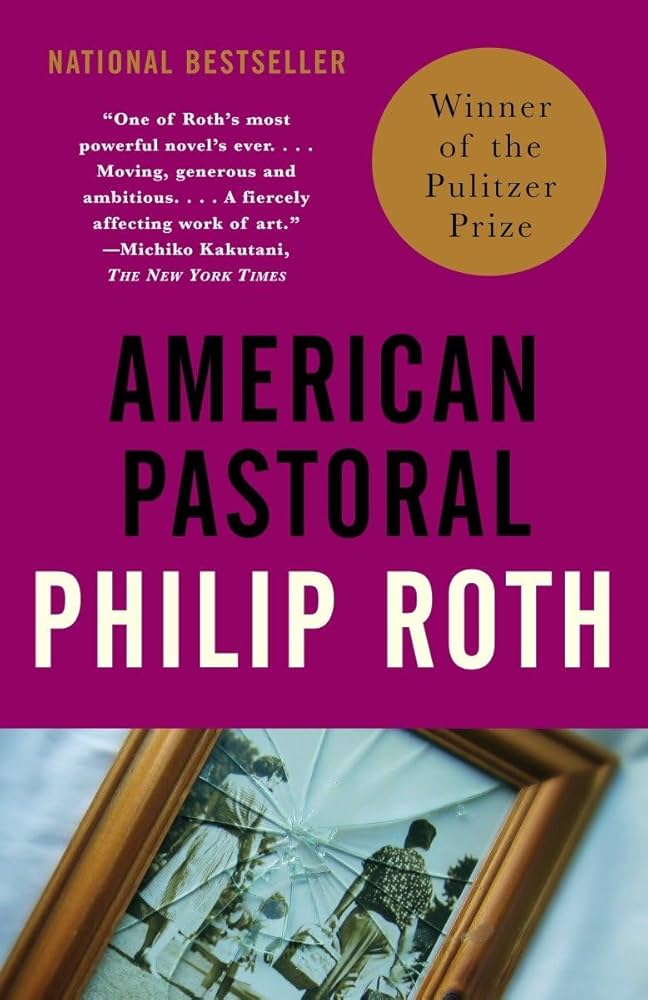
American Pastoral by Philip Roth (1997)
This is my first experience with Philip Roth and, for the most part, I had a fun time. The Swede, his mythos, and the speculated truth of his life was all thrilling to read. However, weeks later, I’m still thrown by the structure.
We begin with the first-person perspective of Nathan Zuckerman—the Roth alias— who attends his 45th high school reunion and learns there of the Swede’s death. Then the rest of the novel is written in a close third that we’re to understand may or may not be exactly true.
I think I would’ve preferred a version of this in which Zuckerman was removed—but of course, I know that would also remove the speculative nature of it, as well as what makes this a Roth book, specifically.
Merry, the Swede’s daughter who blows up a mailbox and kills a man, worked as this centering event from which everything unravels. I was sold on the trauma of it all, how it never fades away, even if we delude ourselves into thinking there’s a conclusion.
Roth was a sharp writer and his perspective on America, who we were/are, remains effective almost a decade after his death. I’m sure I’ll find my way through the rest of his American trilogy as some point.

The Corrections by Jonathan Franzen (2001)
I actually hadn’t had this one on my list, but my father-in-law had a copy lying around and thought I’d like to take it of his hands. I’d been avoiding Franzen for some reason. Public disdain? I’m not sure. My impression was the lit community seemed to regard him a bit pretentious, or, for the lack of a better term, douchey.
After reading, I can’t say that’s my read on him. At least, not as a writer, which is all I’m concerned with anyway.
There was a pretty seamless transition from Roth to Franzen in terms of reading experience. Each novel is concerned with broken family dynamics set against specific cultural moments. While American Pastoral explores the 60s and 70s, The Corrections seems primarily interested in traditional midwestern values vs. a manic, east coast sensibility.
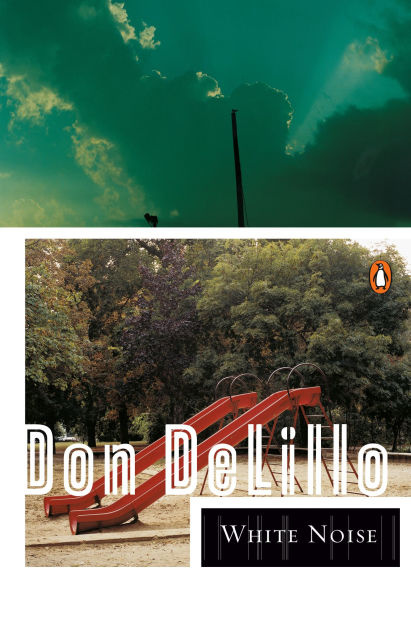
White Noise by Don DeLillo (1985)
Here’s one I kept pushing further and further down the “to read” pile. Not for any specific book reasons other than I’d read a few DeLillo titles recently and I wanted to broaden my horizons, I guess.
White Noise is remarkable. I thought it might be post-apocalyptic, but it’s not. I thought it might be downright absurd, but it’s not. Instead, it’s suggestive of these things. It teeters within a narrow lane of mundanity and lets the surreal elements hover just around the periphery.
I was charmed by Jack’s string of marriages and blended family of children and stepchildren. His affection for Babette and his buzzing fear of death all felt earned. I never tired of being in the supermarket, of the philosophical pursuits that permeated everyday chores. This is because DeLillo is funny.
He’s deadpan and plain, which makes for sharp and punchy sentences. I could read him list all my personal defects and find it endearing.
There are plot elements without much plot, which is just how I like it. The airborne toxic event comes and goes, doing just enough to make our characters think. Babette’s bottle of Dylar pills, the “sickness” they are hoping to cure, serves to provoke discussion and marital strife, but the engine of it all hums quietly in the background like the peppered lines from a TV that never shuts off.
This is now my fourth ride with DeLillo—that’s if you count not finishing Underworld—and this was my favorite. I imagine I’ll pencil in number five soon enough.
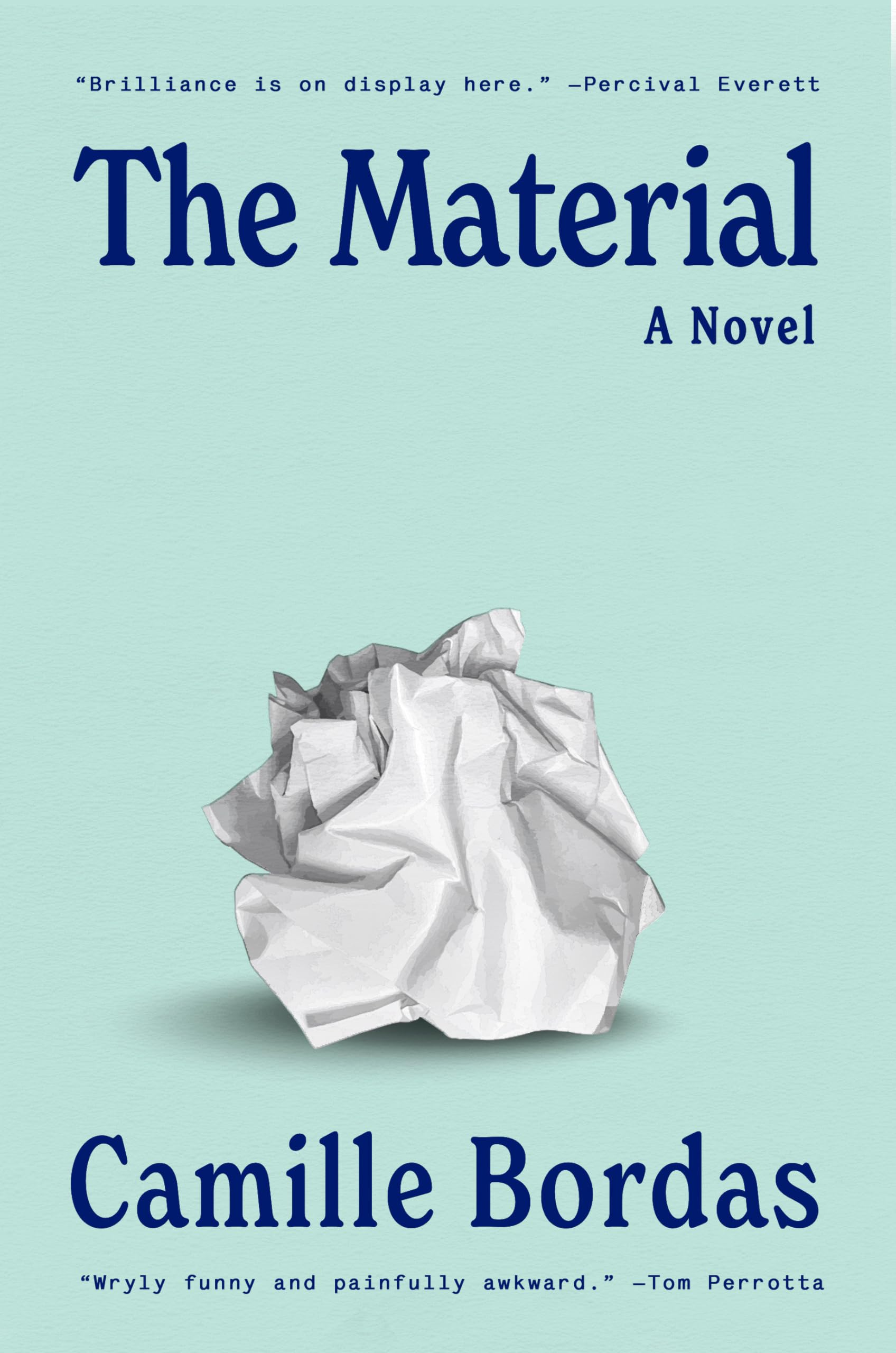
The Material by Camille Bordas (2024)
Here’s another name thrown about by Christian TeBordo, so props to him for being the author of my unofficial syllabus.
But I’d actually heard Camille on The Concavity Show and was really charmed by her perspective on storytelling, comedy, and the whole idea of MFAs, that I bought the book as soon as the episode was over.
The book is inventive, funny, and refreshing. It’s written with an omniscient narrator, one that bounces between characters’ perspectives within single scenes with a comedic sort of mania, painting as much of a complete picture as possible. I admire the ambition, though I would’ve liked to see that omniscience trimmed a bit.
For example, I don’t know that Kruger offers any meaningful insight. The story with his father, the nursing home, the guns … I’m left wondering what it was all for.
The entire novel takes place in one day and works as a companion book to Lee Klein’s Like It Matters. I thought it captured the spirit of joke-telling, how much can be observed, recorded, analyzed, and refined in twelve hours or so.
There’s a moment in the book, when one character muses on bits and the journey they take, and we’re left with the sense that there’s too much focus on how the joke lands rather than the fun we had getting there.
I felt similarly about the novel as a whole, which ends sort of flat, but it’s okay because the time spent getting there was worth it. It’s a smart book, one that has an astute understanding of MFA life, and I’m really glad I read it.
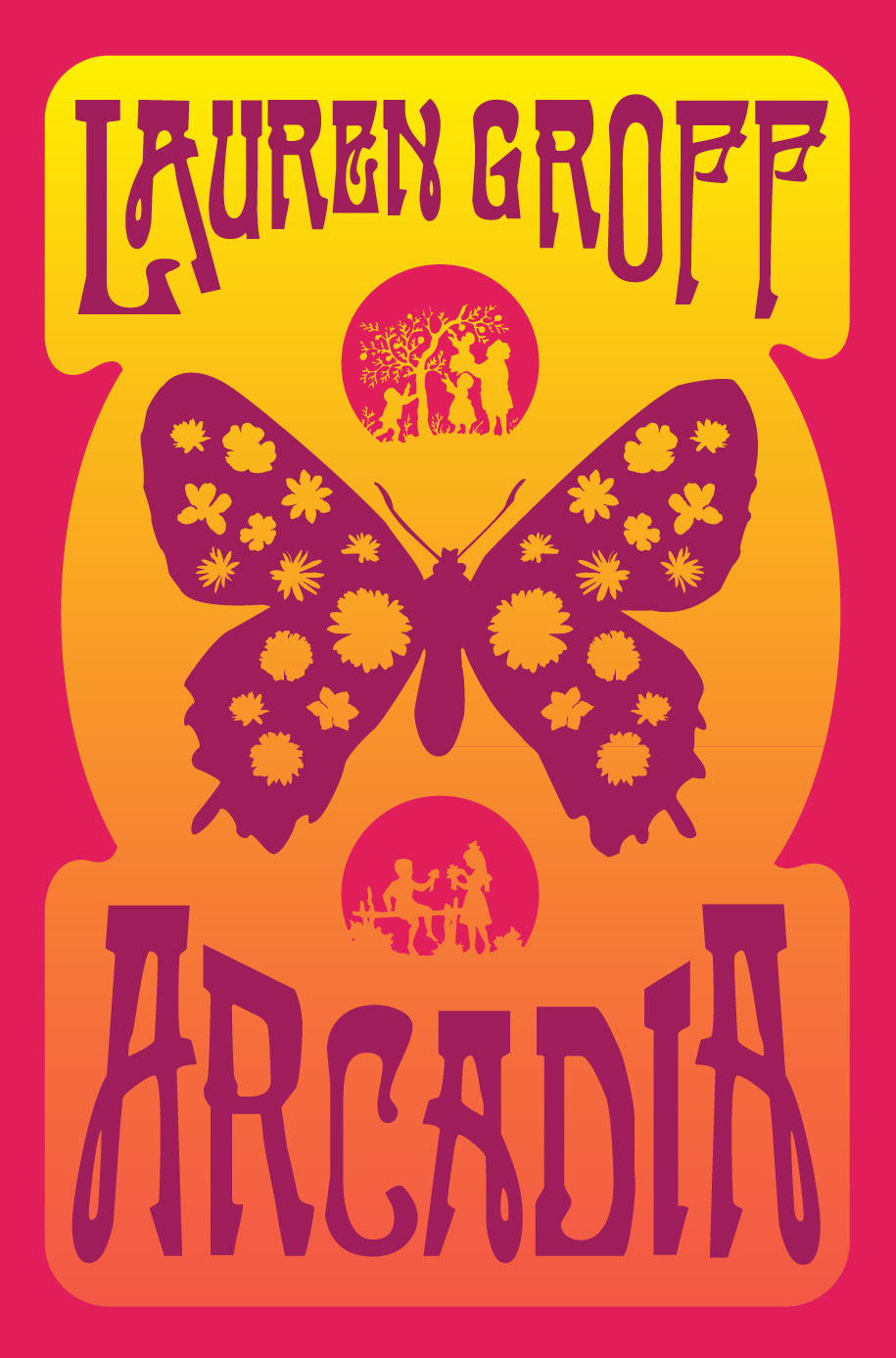
Arcadia by Lauren Groff (2012)
I’ve read a good bit by Lauren Groff, starting with Fates & Furies and onward. But I hadn’t gone backwards yet in her work.
I scooped this copy by donating to The Lynx, her bookstore in Gainesville (which absolutely rules, by the way), and actually had Lauren address it to my daughter, Danielle, with the idea it would be something I give to her a long the way.
Arcadia is a slow burn, which troubled me at first, but I really grew to adore along the way. Hippies? Communes? Living in nature and the dirt? Not really for me … usually. Fortunately, there’s a modernity here that really plays. My least favorite book of Lauren’s is The Matrix, which offers more of the living in nature and the dirt stuff, but where that novel has a medieval sensibility about it, Arcadia is much more aligned with a 60s/70s sensibility that works for me.
The more I read of her, the more I come to learn how much these outdoors moments drive Lauren Groff’s sensibility as a writer. She is a Florida girl, after all, so it shouldn’t come as a surprise that she prefers who characters without shoes. More than that, I’m always reminded of and inspired by her grace with a sentence. She wields powerful language with, seemingly, little effort. Reading her describe a woodsy drug trip is like watching a ballet conducted with sentences. I know it was a grind to get it done, but it reads breathtakingly easy.
Then, then! The moment I’ve settled into the nature of it all, the story moves forward. Our protagonist, Bit, is all grown up. He lives in a city. He has a daughter. Here, Lauren Groff grips my heart. There’s despair. More fast forwarding. A prescient pandemic. Crushing beauty.
I could go on, because that’s what Lauren Groff inspires in me, but I’ll wrap it up. April was a good month when I thought it ended with The Material. Turns out, April was a grand month, all because I decided to dig in just a little more.
 Caleb Michael Sarvis